
Civil Rights Lawyer Marketing
The Complete 2026 Guide

Written by: Rahul Mulchandani
Founder, Digital Marketing Strategist and
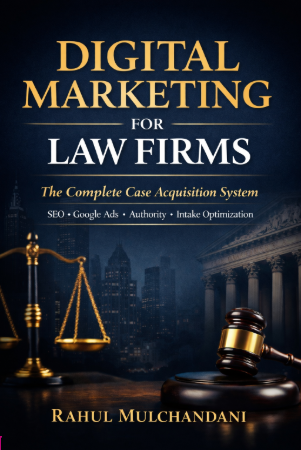
Author of "Digital Marketing For Lawyers" Book
Written by: Rahul Mulchandani
Founder, Digital Marketing Strategist and Author of "Digital Marketing For Lawyers" Book
Table of Contents
Civil rights lawyer marketing means building trust so people facing discrimination, police abuse, unfair housing, or retaliation find and choose your firm when they need help most. You fight for justice; smart marketing makes sure the right clients reach you.
Civil rights lawyer marketing differs from other legal fields because cases involve deep emotion, urgent timelines, and high scrutiny from bar rules. Clients search during fear or anger, so your approach must feel compassionate, credible, and accessible right away.
Analyze this Civil rights lawyer marketing content with AI tools:
ChatGPT Perplexity Grok Google AI ClaudeCivil rights lawyer marketing delivers steady case flow without constant ad spend. Strong online presence plus community reputation turns one good outcome into years of referrals.
Civil rights lawyer marketing in 2026 leans heavily on education. People want to understand their rights before calling anyone. Firms that teach clearly win three times more clients than those who only list services.
Civil rights lawyer marketing respects strict ethics rules. You cannot promise wins or exaggerate results, but you can share real stories (with permission and disclaimers), explain laws, and show your track record.
Civil rights lawyer marketing combines digital tools with real-world relationships. Google searches start the journey, but bar events, nonprofit partnerships, and past client goodwill close it.
This guide walks you through every practical step so your practice grows while staying 100% ethical and focused on impact. Many civil rights law firms also partner with a law firm seo agency to improve search visibility, strengthen educational content strategies, and generate a consistent flow of qualified civil rights enquiries.
What Exactly Is Civil Rights Lawyer Marketing?
Civil rights lawyer marketing covers every ethical way you tell the world who you help, what you fight for, and why people should trust you. It includes your website, Google presence, educational posts, community involvement, paid ads (where allowed), and referral networks.
Civil rights lawyer marketing focuses on niches like employment discrimination under Title VII, police misconduct via Section 1983, housing bias under the Fair Housing Act, ADA violations, and voting rights issues. Narrow focus beats trying to be everything to everyone.
Civil rights lawyer marketing builds authority through proof: bar admissions, past results (with disclaimers), media features, nonprofit board roles, and client testimonials that highlight impact over money.
Why Marketing Matters for Civil Rights Attorneys Right Now
Civil rights lawyer marketing has never been more urgent. The EEOC reported 88,531 new discrimination charges in FY 2024 — up 9% from the year before — with retaliation still leading at 47.8%, followed by harassment, disability, race, and sex claims. Each charge represents someone searching for help online.
Civil rights lawyer marketing levels the field. Solo and small firms beat big names by owning local searches and building deep community trust.
Civil rights lawyer marketing creates sustainable growth. One strong case can lead to dozens of referrals if you stay visible and helpful long after the file closes.
Civil rights lawyer marketing aligns with your mission. Done right, it reaches underserved communities who otherwise might never find representation.
Core Marketing Channels That Work Best in 2026
Civil rights lawyer marketing relies on a mix of owned, earned, and paid channels. Organic search and Google Business Profile drive the most qualified leads for most firms.
Top performers include:
- Search engine visibility (SEO + local pack)
- Educational website content
- Google Business Profile + reviews
- Targeted social media presence
- Community partnerships and speaking
- Email newsletters to past clients
Paid channels like Google Ads work for urgent cases but cost more and convert lower than organic trust signals.
Get More Clients for Your Law Firm
Stop losing potential cases to competitors. Let’s build a strategy that brings you consistent, high-quality leads.
Building a Powerful Website as Your Foundation
Your website acts as your 24/7 receptionist. Make it fast, mobile-friendly, secure (HTTPS), and easy to read on any device.
Key pages every civil rights firm needs:
- Home page with clear mission statement
- Practice area pages (one per niche, e.g., “Police Misconduct Cases”)
- Attorney bios with real credentials and photos
- “Results” or “Case Studies” page (anonymized outcomes + disclaimers)
- Blog/resource section
- Contact form + free consultation call-to-action
- Spanish-language version if serving diverse communities
Add schema markup for attorneys and FAQs so Google and AI tools understand your expertise clearly.
Content Marketing: Educate to Attract and Convert
Civil rights lawyer marketing wins through education. People Google symptoms before they search for lawyers.
Create in-depth guides like:
- “What Counts as Workplace Retaliation? Step-by-Step Guide”
- “Your Rights During a Police Stop: What the Law Really Says”
- “How to Document Housing Discrimination and Build a Strong Claim”
Publish 1–2 pieces per month, 1,500–3,000 words each. Update them yearly with new laws or cases. Link everything back to consultation pages.
Use simple language. Avoid legalese. Answer real questions clients ask in intake calls.
Local and Community Outreach Strategies
Civil rights lawyer marketing thrives locally. Optimize your Google Business Profile completely: add every practice area, service cities/counties, post weekly updates, collect 50+ reviews.
Sponsor or speak at events hosted by NAACP chapters, ACLU affiliates, local bar diversity sections, workers’ rights groups, and disability advocacy organizations.
Volunteer for pro bono clinics. Join boards of relevant nonprofits. These actions build referrals and media mentions organically.
Create city-specific landing pages if you serve multiple areas, but keep claims truthful per bar rules.
Social Media Done Right for Civil Rights Lawyers
Forget viral stunts. Post consistently about rights updates, new laws, anonymized case wins, and community events.
Best platforms:
- LinkedIn for professional networking and thought leadership
- Facebook/Instagram for community stories and short videos
- YouTube for explainer videos (“What Happens After Filing an EEOC Charge?”)
Share bite-sized tips. Respond to comments quickly and compassionately. Use hashtags like #KnowYourRights sparingly but strategically.
Paid Advertising Options and When to Use Them
Civil rights lawyer marketing can include paid ads for faster visibility.
Google Ads target high-intent searches like “civil rights attorney near me” or “racial discrimination lawyer [city]”. Start small, track conversions tightly.
Meta ads (Facebook/Instagram) reach people in affected communities with educational content leading to consultation forms.
Avoid overpromising. Include disclaimers. Many bars require pre-approval for certain ad copy.
Use paid to supplement organic, not replace it.
Reviews, Referrals, and Reputation Management
Reviews build instant trust. Ask happy clients for Google and Avvo reviews after resolution (with permission).
Respond to every review publicly and professionally, even negative ones.
Nurture past clients with quarterly newsletters: rights updates, firm news, holiday messages. Satisfied clients refer others during similar crises.
List on Justia, Avvo, FindLaw, and state bar directories for extra visibility.
Step-by-Step 6-Month Marketing Launch Plan
Month 1: Audit current online presence. Fix website basics. Claim/optimize Google Business Profile. Research keywords.
Month 2: Build or redesign core website pages. Write 4–6 foundational articles.
Month 3: Launch review campaign. Start weekly social posts. Create email list signup on site.
Month 4: Publish 2 new content pieces monthly. Network at 2–3 community events. Set up basic Google Ads if budget allows.
Month 5: Analyze first data. Adjust content based on what gets engagement. Secure 2–3 speaking spots.
Month 6: Review full metrics. Double down on highest-ROI activities. Plan year 2 budget.
Repeat and refine forever.
Typical Costs and Smart Budget Allocation
Civil rights lawyer marketing budgets vary by market size and goals.
| Firm Type / Market | Monthly Range | Main Spend Breakdown | Expected Timeline to Steady Leads |
|---|---|---|---|
| Solo / Small city | $1,500–$4,000 | 50% content & SEO, 30% local/Google, 20% social/community | 4–8 months |
| Mid-size firm / Medium market | $4,000–$8,000 | 45% organic growth, 35% paid ads, 20% events/PR | 6–10 months |
| Larger practice / Major city | $8,000–$15,000+ | Balanced across all channels + video | 9–12 months |
Many firms see 4–10x ROI once systems run smoothly.
Tracking What Actually Works: Key Metrics
Watch these monthly:
- Website visitors from organic search
- New consultation form submissions/calls
- Keyword rankings for 15–25 core terms
- Google Business Profile views/actions
- Email open/click rates from past clients
- Cost per qualified lead by channel
- Referral sources in CRM
Use Google Analytics, Search Console, call-tracking numbers, and simple CRM tags.
Biggest Mistakes Civil Rights Lawyers Make in Marketing
Civil rights lawyer marketing fails when firms stay too generic instead of owning a clear niche.
Civil rights lawyer marketing suffers from inconsistent posting or abandoning content after a few months.
Civil rights lawyer marketing hurts when attorneys ignore negative reviews instead of addressing them.
Civil rights lawyer marketing stalls without tracking — guessing wastes money.
Real Examples of Successful Civil Rights Marketing
High-profile firms like Ben Crump’s practice grew dramatically through media appearances, strong storytelling on social/video, and community-focused content around police accountability cases.
Smaller regional firms doubled consultations by publishing EEOC filing guides in multiple languages and partnering with local workers’ centers for referrals.
Mid-size practices saw 30–50% lead growth from revamped websites with clear niche pages plus steady LinkedIn thought leadership on recent court rulings.
2026 Trends You Cannot Ignore
Civil rights lawyer marketing must adapt to AI-driven search. Create content that answers questions exactly as people (and AI) phrase them.
Short-form video explodes on YouTube Shorts, TikTok, and Reels — quick rights explainers perform best.
Voice search grows; optimize for conversational phrases like “who is the best civil rights lawyer for police brutality in [city]?”
Bilingual content becomes essential in diverse markets.
Data privacy rules tighten — be transparent about how you handle client info.
Agency vs. In-House: Which Path Fits Your Firm?
Hire a legal-specialized agency if you want speed and expertise in bar-compliant strategies. They handle technical work so you focus on cases.
Build in-house if you have a dedicated marketer who understands legal ethics and can manage content/social daily.
Hybrid often wins: agency for strategy/SEO/ads, in-house for community relations and content approval.
Civil rights lawyer marketing is a long game built on trust and consistency. Start small today — update your Google profile, write one helpful article, ask one client for a review. Every step brings justice closer to those who need it.
Frequently Asked Questions
Civil Rights Lawyer Marketing: What Makes It Different from Other Legal Fields?
Civil rights lawyer marketing centers on urgency, emotion, and education rather than routine services. Clients often search during crisis moments after discrimination or rights violations. You must balance compassion with strict bar ethics, avoiding outcome guarantees while proving expertise through statutes, cases, and community involvement. Focus on niches like Section 1983 claims or Title VII violations beats broad messaging.
Civil Rights Lawyer Marketing: How Long Does It Take to See New Clients?
Expect visible traffic growth in 3–5 months and steady consultation increases by month 6–10 with consistent effort. Organic channels build slowly but last longest. Paid ads bring faster leads but higher costs. Community partnerships can deliver referrals sooner if you speak or volunteer actively.
Civil Rights Lawyer Marketing: Which Channel Gives the Best ROI?
Organic search and Google Business Profile usually deliver the highest long-term ROI for civil rights practices. Educational content ranks well and builds trust. Reviews and referrals from past clients convert at very high rates with almost no ongoing cost. Paid search works for quick volume but rarely matches organic quality.
Civil Rights Lawyer Marketing: Can I Use Paid Ads Ethically?
Yes, as long as copy stays truthful, includes disclaimers, and follows your state bar rules (some require pre-approval). Target specific searches like “employment retaliation lawyer [city]”. Focus ads on education (“Learn Your Rights After Retaliation”) rather than promises. Track every dollar to ensure positive ROI.
Civil Rights Lawyer Marketing: How Important Are Reviews Really?
Extremely. Google weighs reviews heavily for local pack rankings and trust. Aim for 50+ positive Google reviews plus Avvo/Justia listings. Authentic client stories about overcoming discrimination build credibility fast. Respond to every review — it shows you care and improves perception even on critical ones.
Civil Rights Lawyer Marketing: Should I Post on Social Media Every Day?
Consistency beats frequency. Post 3–5 times per week with value: rights tips, law updates, community events. LinkedIn suits professional content; Instagram/Facebook works for short videos and stories. Quality educational posts outperform salesy ones and help AI/search visibility.
Civil Rights Lawyer Marketing: Do I Need a Blog?
Yes — it’s one of the fastest ways to demonstrate expertise and rank for long-tail searches. Write practical guides answering client questions. One strong post per month outperforms sporadic posting. Update older articles with new EEOC data or rulings to stay relevant.
Civil Rights Lawyer Marketing: How Do I Handle Negative Reviews?
Respond calmly, professionally, and privately if needed. Thank the reviewer, restate your commitment to justice, offer to discuss offline. Never argue facts publicly. Most negative reviews lose impact when you show empathy and accountability. Turn them into trust signals.
Civil Rights Lawyer Marketing: What Role Does Community Involvement Play?
Huge. Speaking at NAACP meetings, volunteering at legal clinics, or joining civil rights boards generates referrals, media coverage, and goodwill. These earned signals boost SEO and word-of-mouth far more than ads alone in this practice area.
Civil Rights Lawyer Marketing: How Much Should a Solo Firm Spend Monthly?
$1,500–$4,000 covers basics: website maintenance, content creation, local SEO, Google Business optimization, and light paid ads. Many solos start lower and scale as leads grow. Focus first on free/earned channels before adding paid spend.
Civil Rights Lawyer Marketing: Is Video Worth the Effort?
Yes, especially short explainers. Quick videos on “What to Do After Police Misconduct” or “EEOC Charge Basics” perform well on YouTube, Reels, and TikTok. They humanize you, improve dwell time on your site, and help AI cite your content. Start simple with phone recordings.
Civil Rights Lawyer Marketing: How Do I Stay Compliant with Bar Rules?
Review your state’s rules on advertising and communications. Use disclaimers on results. Never guarantee outcomes. Get approvals if required for ads. Focus on education and experience rather than hype. When in doubt, consult your bar’s ethics hotline before publishing.
🚀 Get Free Consultation
Our Latest Posts
-
 How We Generate Signed Cases for Lawyers: 7 Proven Strategies That Deliver Real Results
 -
 Case Study: Multi-City Personal Injury SEO Success – New Mexico
 -
 Case Study: Personal Injury Lawyer in Texas
 -
 Lawyer SEO: The Complete Guide to Optimizing Law Firm Websites for Clients and Rankings
 -
 Why Lawyer Switch to Us
Get In Touch with Us!
other way to contact us
Office Email
rahul@webkeydigital.com
Office Phone
+1 503-303-8639
Office Location
8 The Green STE A, Dover, Kent , Delaware 19901