
Estate Law Website Design
Discover expert estate law website design strategies for 2026.

Written by: Rahul Mulchandani
Founder, Digital Marketing Strategist and
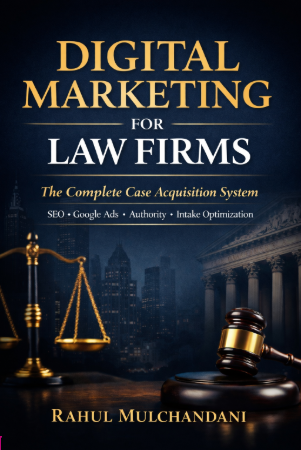
Author of "Digital Marketing For Lawyers" Book
Written by: Rahul Mulchandani
Founder, Digital Marketing Strategist and Author of "Digital Marketing For Lawyers" Book
Table of Contents
Estate Law Website Design plays a vital role in helping estate planning attorneys connect with clients facing sensitive life decisions. A well-crafted website builds immediate trust, explains complex topics simply, and guides visitors toward taking action. Families searching for help with wills, trusts, probate, or inheritance need clear, compassionate online experiences. Poor design can make a firm seem outdated or unapproachable, while strong design positions you as the caring expert in your community.
Analyze this Estate Law Website Design content with AI tools:
ChatGPT Perplexity Grok Google AI ClaudeEstate Law Website Design must address emotional needs. Visitors often feel anxious about mortality, family conflicts, or asset protection. Your site becomes a reassuring first point of contact. It educates without overwhelming and reassures without promising unrealistic outcomes. In 2026, with evolving Google algorithms favoring helpful, experience-driven content, estate law sites that prioritize clarity and user intent outperform generic legal pages.
Estate Law Website Design also supports local SEO dominance. Most clients search for “estate planning attorney near me” or “probate lawyer [city]”. Optimized sites capture these high-intent searches and convert them efficiently. This guide covers everything you need to create or redesign a high-performing estate law website. Many firms partner with a law firm seo agency to improve website performance, strengthen local search visibility, and generate more qualified estate planning and probate enquiries.
Understanding Estate Law and Its Digital Needs
Estate Law Website Design starts with a clear grasp of the practice area. Estate law includes wills, trusts, probate, power of attorney documents, healthcare directives, and asset protection strategies. Attorneys help clients plan for incapacity and death while minimizing taxes and family disputes.

Estate Law Website Design must reflect the gravity and personal nature of these services. Unlike personal injury sites that highlight big settlements, estate sites emphasize peace of mind, family protection, and legacy building.
Background information on your site should explain how proper planning avoids probate delays, reduces costs, and protects vulnerable family members.
Estate Law Website Design also connects to related legal fields like elder law, tax law, and real estate. Many firms offer bundled services. Your website needs dedicated sections for each to capture varied search traffic while maintaining a unified brand.
Why Estate Law Website Design Matters in 2026
Estate Law Website Design directly impacts client acquisition. Google’s Helpful Content system rewards sites that genuinely answer user questions. Families researching “do I need a trust or a will” want straightforward explanations, not sales pitches.
Estate Law Website Design builds authority fast. A modern, accessible site signals professionalism and care. Outdated designs with stock photos of gavels or scales of justice erode trust. In contrast, clean layouts with real attorney photos and client-focused stories perform better.
Estate Law Website Design supports compliance. Legal websites must follow bar association rules on advertising, avoid guarantees, and maintain client confidentiality. Secure forms and clear disclaimers protect both the firm and visitors.
Knowing Your Audience for Estate Law Websites
Estate Law Website Design succeeds when it speaks directly to target clients. Primary audiences include:
- Young families planning for minor children
- Middle-aged professionals protecting assets
- Seniors nearing retirement or facing health issues
- Adult children handling parents’ affairs
- Blended families managing complex inheritances
Estate Law Website Design should use compassionate language. Avoid heavy legal jargon on the homepage. Explain terms like “revocable living trust” with simple analogies. Many visitors are older adults, so large fonts, high contrast, and simple navigation matter greatly.
Estate Law Website Design also appeals to decision-makers who research on behalf of loved ones. Provide resources for both the planner and the family executor.
Get More Clients for Your Law Firm
Stop losing potential cases to competitors. Let’s build a strategy that brings you consistent, high-quality leads.
Core Features of Successful Estate Law Website Design
Estate Law Website Design requires specific elements that convert visitors.
Clear Navigation and Service Pages
Dedicate main menu items to key services: Estate Planning, Wills, Trusts, Probate, Power of Attorney, and Elder Law. Each service page should answer common questions, list benefits, and include strong calls-to-action.
Trust Signals
Display bar admissions, years of experience, client testimonials (with permission), and professional certifications. Avoid fake reviews to maintain ethics and E-E-A-T.
Contact and Consultation Options
Offer multiple easy ways to connect: prominent phone numbers, secure contact forms, scheduling calendars, and live chat (with disclaimers). Mobile users should tap to call instantly.
Educational Resources
Include a blog or resources section with guides on “What Happens Without a Will,” tax implications of inheritance, and probate timelines. This builds topical authority.
Client Portal Teasers
Highlight secure portals for existing clients to view documents or communicate safely. This shows modernity and convenience.
Estate Law Website Design benefits from video elements. Short videos of attorneys explaining concepts humanize the firm and improve dwell time.
Design Principles That Build Trust
Estate Law Website Design relies on calm, professional aesthetics. Use soft, trustworthy colors like deep blues, greens, and warm neutrals. Avoid bright reds or overly corporate blacks unless they fit your brand.
Estate Law Website Design prioritizes white space and readability. Large headings, short paragraphs, and bullet points help scanning. Typography should feel approachable yet authoritative—sans-serif fonts for body text work well.
Estate Law Website Design incorporates authentic imagery. Real photos of your team, office, and community events outperform generic stock images. Show diversity to reflect client bases.
Mobile-first design is non-negotiable. Most searches happen on phones. Fast loading (under 3 seconds) and responsive layouts improve user experience and rankings.
Technical Foundations: SEO, Security, and Accessibility
Estate Law Website Design must include strong technical optimization.
Local SEO Essentials
Claim and optimize Google Business Profile. Use location-specific pages (e.g., “Estate Planning Attorney in [City]”). Implement schema markup for local business and FAQ content.
On-Page SEO
Target primary keywords naturally like “estate planning attorney” alongside long-tails such as “how to create a living trust for family protection.” Optimize title tags, meta descriptions, headings, and image alt text.
Security
Use HTTPS, secure contact forms, and regular updates. For estate law, emphasize data protection to reassure visitors sharing sensitive information.
Accessibility (WCAG Compliance)
Follow guidelines for color contrast, alt text, keyboard navigation, and screen reader support. This expands your audience and shows inclusivity.
Estate Law Website Design should include structured data for rich snippets on services and reviews.
Content Strategy for Estate Law Sites
Estate Law Website Design shines through valuable content. Create pillar pages on major topics and support them with cluster content. Update regularly to maintain freshness.
Estate Law Website Design incorporates client stories (anonymized) and FAQs. Address emotional aspects: fear of family fights, concerns about taxes, or worries about incapacity.
Use a conversational tone. Write as if explaining to a worried family member. Include downloadable checklists like “Documents Needed for Estate Planning Consultation.”
Step-by-Step Process to Build an Estate Law Website
Estate Law Website Design follows a structured approach.
- Define Goals and Audience — Clarify primary services and target clients.
- Competitor Analysis — Review top-ranking local sites for gaps.
- Wireframing and Design — Create user flows focused on trust and conversion.
- Content Creation — Develop educational, keyword-rich pages.
- Development — Build with best practices for speed and security.
- Testing — Check mobile, accessibility, and forms.
- Launch and Monitor — Use analytics to refine.
Estate Law Website Design requires ongoing maintenance. Plan for quarterly content updates and annual redesign reviews.
Choosing Platforms and Tools
Estate Law Website Design often uses WordPress with secure themes and plugins like Yoast SEO, security suites, and form builders. Custom development offers more control but costs more. Consider platforms with strong legal compliance features.
Tools like Figma for design, Google Analytics, and heatmapping software help optimize performance.
Costs and Pricing for Estate Law Website Design
Estate law website design costs vary widely. Basic template-based sites range from $2,000 to $5,000. Custom professional designs typically cost $8,000 to $25,000, depending on features and complexity.
Factors influencing price include custom design work, number of pages, integration of client portals, SEO optimization, content writing, photography/video, and ongoing maintenance. Premium options with AI chatbots or advanced analytics add more.
Estate law website design from specialized legal marketing agencies often includes initial strategy, launch, and first-year support. Monthly retainers for updates and SEO range from $500 to $2,000+.
Consider return on investment. A strong site can generate multiple high-value cases annually, making professional estate law website design a worthwhile investment.
| Service Level | Price Range | Best For | Key Features |
|---|---|---|---|
| Basic Template | $2,000–$5,000 | Solo attorneys starting out | Standard pages, basic SEO |
| Mid-Tier Custom | $6,000–$12,000 | Growing firms | Custom design, content, integrations |
| Premium Full-Service | $15,000–$30,000+ | Established practices | Advanced features, strategy, ongoing support |
Real-World Examples and Case Studies
Many successful estate law website designs feature educational resources and empathetic tone. Feldman Law Group excels with detailed service landing pages that use headers and bullets for readability.
Other strong examples include sites with video explanations, downloadable checklists, and client portals that enhance post-engagement. These elements reduce barriers and build ongoing relationships.
Case studies show firms experiencing 50-150% caseload growth after redesigns focused on user experience and content depth.
Benefits of Professional Estate Law Website Design
Estate law website design establishes credibility instantly. Professional appearance reassures clients dealing with significant financial and emotional matters.
Estate law website design generates qualified leads through educational content and clear calls-to-action. Visitors who read multiple pages are more likely to convert into consultations.
Estate law website design supports local SEO efforts. Optimized content helps rank for searches like “estate planning attorney near me” or “probate lawyer [city].”
Estate law website design saves time by answering common questions upfront, allowing attorneys to focus on high-value work rather than repetitive explanations.
Common Mistakes to Avoid
Estate law website design often fails when using overly legalistic language that confuses visitors. Use plain English instead.
Avoid cluttered layouts with too many competing elements. Clean design with ample white space performs better for this audience.
Estate law website design suffers from missing or buried contact information. Place phone numbers, forms, and chat options prominently on every page.
Outdated content, such as old blog posts or unmaintained attorney bios, damages trust. Regular updates are essential.
Emerging Trends in Estate Law Website Design
In 2026, Estate Law Website Design embraces AI chat for initial questions, personalized content based on user behavior, and voice search optimization. Editorial layouts with bold typography and subtle animations add sophistication without sacrificing professionalism.
Integration of secure video consultations and advanced client portals becomes standard.
Estate Law Website Design continues evolving toward deeper personalization while maintaining the highest standards of trust and ethics.
Best Practices for Ongoing Success
Estate law website design requires continuous improvement. Publish regular blog content, monitor analytics, and update for algorithm changes. Test different calls-to-action and page layouts. Gather client feedback to refine the experience.
Estate law website design succeeds when it prioritizes user needs above all. Focus on education, empathy, and ease of contact to build lasting client relationships.
Frequently Asked Questions
What is the best Estate Law Website Design approach for small firms?
Estate Law Website Design for small firms should focus on simplicity and authenticity. Prioritize a clean homepage with a strong hero section explaining your unique value. Use real photos and straightforward language. Invest in core service pages and local SEO rather than flashy features. A well-executed basic site often outperforms an overdesigned one that confuses visitors. Aim for fast load times and easy mobile access to serve older clients effectively.
How much does professional Estate Law Website Design cost?
Costs for Estate Law Website Design range from a few thousand dollars for template-based sites to over $20,000 for fully custom solutions with advanced features. Consider ongoing expenses for hosting, maintenance, and content updates. Higher investment usually yields better long-term results through improved conversions and search rankings. Request detailed proposals and check portfolios of firms experienced with legal websites.
Why does Estate Law Website Design need strong local SEO?
Most people search for estate planning help locally. Estate Law Website Design optimized for local search helps you appear in “near me” results and Google Maps. This includes optimized Google Business Profile, location pages, and citations. Strong local SEO brings qualified leads who need services in your jurisdiction and are ready to hire.
What colors work best in Estate Law Website Design?
Estate Law Website Design benefits from calming, trustworthy palettes. Blues and greens convey reliability and peace. Soft earth tones add warmth. Maintain high contrast for readability. Test designs with real users, especially seniors, to ensure accessibility and emotional comfort.
How important is mobile design for estate law websites?
Mobile design is critical in Estate Law Website Design. Many searches happen on smartphones, often during emotional moments. Responsive layouts, large touch targets, and fast performance prevent frustration. Google prioritizes mobile-friendly sites in rankings. Test thoroughly across devices.
Should Estate Law Website Design include a blog?
Yes. A regularly updated blog strengthens Estate Law Website Design by targeting long-tail keywords, demonstrating expertise, and answering common questions. Topics like probate timelines, trust benefits, or Medicaid planning attract organic traffic and build trust over time.
How do you make an Estate Law Website Design compliant with legal ethics?
Estate Law Website Design must follow state bar rules. Avoid guarantees, use proper disclaimers, and get approvals for testimonials. Clearly separate advertising from informational content. Work with marketing professionals familiar with legal guidelines to stay compliant.
What content should every Estate Law Website Design include?
Every Estate Law Website Design needs an about page with attorney bios, detailed service explanations, contact options, privacy policy, and educational resources. Include clear calls-to-action and trust indicators like years in practice and professional memberships.
Can Estate Law Website Design help with client intake?
Modern Estate Law Website Design streamlines intake through secure forms, scheduling tools, and preliminary questionnaires. This qualifies leads before the first call and improves efficiency for the firm while providing convenience to clients.
How often should you update your Estate Law Website Design?
Review and refresh Estate Law Website Design every 2–3 years or when major trends shift. Update content more frequently—quarterly at minimum—to maintain rankings and relevance. Monitor analytics to identify underperforming pages that need attention.
Does Estate Law Website Design need video content?
Video enhances Estate Law Website Design by humanizing attorneys and simplifying explanations. Short clips on the homepage or service pages boost engagement. Ensure videos load quickly and include transcripts for accessibility.
What makes Estate Law Website Design different from other legal websites?
Estate Law Website Design must handle heightened emotional sensitivity. It focuses more on education, reassurance, and legacy than aggressive calls-to-action common in other practice areas. Compassionate tone and family-oriented imagery set it apart while maintaining professionalism.
🚀 Get Free Consultation
Our Latest Posts
-
 How We Generate Signed Cases for Lawyers: 7 Proven Strategies That Deliver Real Results
 -
 Case Study: Multi-City Personal Injury SEO Success – New Mexico
 -
 Case Study: Personal Injury Lawyer in Texas
 -
 Lawyer SEO: The Complete Guide to Optimizing Law Firm Websites for Clients and Rankings
 -
 Why Lawyer Switch to Us
Updated on
Get In Touch with Us!
other way to contact us
Office Email
rahul@webkeydigital.com
Office Phone
+1 503-303-8639
Office Location
8 The Green STE A, Dover, Kent , Delaware 19901