
Employment Lawyer Website Design
The Ultimate Guide for Law Firms

Written by: Rahul Mulchandani
Founder, Digital Marketing Strategist and
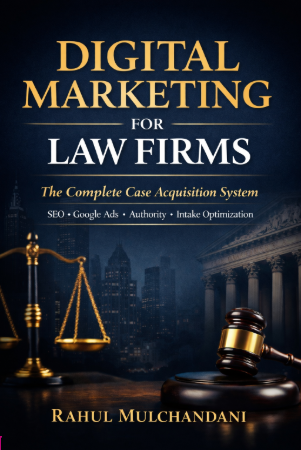
Author of "Digital Marketing For Lawyers" Book
Written by: Rahul Mulchandani
Founder, Digital Marketing Strategist and Author of "Digital Marketing For Lawyers" Book
Table of Contents
Employment lawyer website design demands more than professional aesthetics. It requires a digital platform that instantly reassures anxious visitors facing job loss, discrimination, harassment, or unpaid wages while delivering clear pathways to consultation. In 2026, Google’s algorithms prioritize sites demonstrating strong E-E-A-T (Experience, Expertise, Authoritativeness, Trustworthiness) for YMYL topics like legal services, alongside fast mobile performance, intuitive navigation, and frictionless conversion elements.
Analyze this Employment lawyer website design for Lawyers content with AI tools:
ChatGPT Perplexity Grok Google AI ClaudeTop-performing employment law sites convert 2-6% of visitors into leads by combining authoritative content, visible results, and secure intake forms. They outperform generic templates by addressing specific searcher intent—emotional support mixed with practical legal next steps—while complying with state bar ethics rules on advertising.
This guide equips law firm owners and marketing leads with the exact structure, design principles, and optimization tactics used by high-ranking employment practices.
Why Website Design Matters for Employment Lawyers
Employment law clients search under high stress and urgency. They need immediate validation that the firm understands their situation—whether it’s wrongful termination after reporting safety violations, wage theft in a restaurant chain, or retaliation following a medical leave request.
A poorly designed site raises doubts about competence. Visitors expect professionalism that mirrors courtroom presence: calm authority, clear expertise, and efficient processes. Design directly impacts rankings because Google measures user signals like dwell time, bounce rate, and Core Web Vitals, all of which reflect how well the site satisfies intent. Many firms partner with a law firm seo agency to improve website performance, strengthen user experience, and support long-term search visibility.
Specific to employment law: Competitive keywords like “wrongful termination lawyer [city]” or “employment discrimination attorney near me” have high commercial intent. Sites that load fast, present relevant case types upfront, and offer one-click consultation booking capture leads that generic personal injury or family law sites miss.
Industry benchmarks show legal landing pages achieve around 6.3% median conversion rates, but employment-focused pages can exceed this with targeted trust elements like anonymized success stories and bar association badges.
Firms ignoring modern design lose ground to competitors using editorial layouts, strategic white space, and AI-optimized content structures.
Core Principles of Effective Employment Lawyer Website Design
Effective design balances authority with approachability. Employment clients often feel vulnerable; the site must project strength without intimidation.
2026 Trends:
- Editorial-style layouts with oversized, confident typography for headlines like “Fighting for Your Rights in the Workplace.”
- Reduced color palettes (deep blues, grays, strategic emerald or burgundy accents for calls-to-action) to convey trust and calmness.
- Authentic photography over stock images—real attorneys in professional settings, diverse client representations (ethically anonymized), and subtle motion for engagement.
Visual Hierarchy: Place the primary CTA (e.g., “Schedule Free Consultation”) above the fold on desktop and prominently on mobile. Use high-contrast text for readability, adhering to WCAG 2.2 standards for accessibility.
Branding Consistency: Mirror your firm’s values. A firm specializing in executive severance packages uses sophisticated, minimalist design; one focused on blue-collar wage claims leans more accessible and community-oriented.
Avoid generic templates. Custom designs allow practice-area-specific schema markup and tailored user flows that generic builders cannot match.
Essential Page Architecture and Navigation
Structure your site as a conversion funnel tailored to employment law journeys.
Homepage: Hero section with empathetic headline (“Protecting Employees When Employers Cross the Line”), subheadline listing key services (Wrongful Termination, Discrimination, Retaliation, Wage & Hour), and prominent CTA. Include quick links to major practice areas and a trust bar (years in practice, notable results, bar affiliations).
Practice Area Pages: One dedicated page per major service—e.g., “Wrongful Termination Lawyer” with subsections on common scenarios, legal standards (at-will exceptions, protected activities), statute of limitations, and case examples. Use H2/H3 headings with semantic keywords.
Attorney Bios: Individual pages showcasing education, bar admissions, notable verdicts/settlements (with permission and anonymization), and client testimonials. Include schema for Person and LegalService.
Resources/Blog: In-depth guides on topics like “How to Document Workplace Harassment” to build topical authority and capture informational traffic.
Navigation: Simple top menu (Home, Practice Areas, About, Attorneys, Results, Blog, Contact) plus sticky mobile menu and footer with quick links. Implement mega-menus for practice areas on larger screens.
Contact/Intake: Dedicated page with secure forms, phone numbers (click-to-call), and chat widgets. Use tools like CallRail for tracking.
This architecture supports both Google’s topical authority signals and user decision-making.
Simple navigation with mega-menus supports both users and law firm SEO agency crawl strategies.
Get More Clients for Your Law Firm
Stop losing potential cases to competitors. Let’s build a strategy that brings you consistent, high-quality leads.
Trust Signals and E-E-A-T Elements Specific to Employment Law
Google’s Search Quality Evaluator Guidelines emphasize E-E-A-T for legal YMYL content. Employment sites must visibly demonstrate expertise to avoid ranking suppression.
Key Signals:
- Experience: Detailed attorney bios with years practicing employment law, prior roles (e.g., former EEOC counsel), and case counts.
- Expertise: Author bylines on blog posts, links to publications, speaking engagements at NELA (National Employment Lawyers Association) conferences.
- Authoritativeness: Client results pages with anonymized verdicts/settlements, media mentions, and peer endorsements.
- Trustworthiness: Privacy policy, secure HTTPS, clear disclaimers, state bar badges, AVVO or Super Lawyers ratings, and transparent fee structures (contingency explanations).
Add testimonials with verifiable details (first names, case types) and video testimonials where ethical. Display “Rated 5.0 by 200+ clients” with schema markup.
For employment law, include sections addressing common fears: “Confidential Consultations,” “No Fees Unless We Win” (where applicable), and compliance with advertising rules.
UX and Conversion Rate Optimization (CRO) Tactics
Design every element to reduce friction and build momentum toward consultation.
Key Tactics:
- Sticky header with phone number and CTA.
- Exit-intent popups offering free case reviews (compliant with bar rules).
- Multi-step intake forms that start simple (name, phone, brief issue) and progressively qualify leads.
- Heatmap analysis via tools like Hotjar or Microsoft Clarity to identify drop-off points.
- A/B testing headlines like “Get Your Wrongful Termination Questions Answered Today” vs. more specific variants.
Landing Page Alignment: For PPC traffic on “harassment lawyer [city],” create dedicated pages mirroring ad copy with geo-specific content and fast-loading forms.
Metrics to Track: Aim for <2-second load times, <40% bounce rate on key pages, and 5%+ form submission rates. Use Google Analytics 4 with enhanced e-commerce-style event tracking for consultations.
Mobile-First Design and Technical Foundations
Over 60% of legal searches occur on mobile. Prioritize mobile-first indexing.
Requirements:
- Responsive design with large tap targets (minimum 48px).
- Core Web Vitals optimization: Largest Contentful Paint <2.5s, First Input Delay <100ms.
- Fast hosting (e.g., on platforms optimized for WordPress or custom builds like those from PaperStreet or Esquire Digital).
- Schema markup: LocalBusiness/LegalService, FAQPage, Article, and BreadcrumbList.
CMS Recommendations: Custom WordPress with legal-specific themes or dedicated platforms offering built-in SEO and intake tools. Avoid drag-and-drop builders lacking performance controls.
Implement ADA compliance features (alt text, keyboard navigation, sufficient color contrast) to mitigate lawsuits—a common employment law irony.
Content Strategy for Practice Area Pages
Content must address both emotional and informational needs.
Structure a Strong Practice Area Page:
- Empathetic intro acknowledging the issue.
- Clear explanation of rights under laws like Title VII, FLSA, ADA, FMLA.
- Signs you have a case with checklists.
- What to expect in the process.
- Notable results or case studies.
- FAQ section.
- Strong CTA with intake form.
Use natural semantic terms: EEOC claims, hostile work environment, constructive discharge, retaliation claims. Optimize for voice search (“who is the best employment lawyer near me”).
Publish 1-2 new resources monthly to maintain freshness and authority.
How Law Firm SEO Agencies Leverage Website Design
Law firm SEO agencies treat website design as the foundation of topical authority and lead generation. They conduct user journey mapping specific to employment law stressors, implement advanced schema (FAQPage, Article, LegalService), and ensure site architecture supports content clusters around high-intent terms.
Agencies optimize for both organic rankings and PPC Quality Scores by creating dedicated landing pages that mirror ad messaging. They integrate conversion tracking (GA4 events, CallRail) from launch and use design to reduce form abandonment. A well-executed redesign by a specialized law firm SEO agency often delivers 2-3x lead volume within six months through improved dwell time, lower bounce rates, and stronger E-E-A-T signals.
Common Mistakes and How to Fix Them
- Generic Stock Photos and Boilerplate Copy: Fix by investing in custom photography and attorney-reviewed, firm-specific content.
- Slow Load Times and Poor Mobile Experience: Audit with PageSpeed Insights and optimize images, enable caching, and use a CDN.
- Weak CTAs Buried in Content: Place multiple, contextually relevant CTAs with benefit-driven text.
- Missing Local SEO Elements: Optimize Google Business Profile, create location pages if multi-office, ensure consistent NAP.
- Ignoring Ethics Rules: Review all claims with bar guidelines; use disclaimers liberally.
- No Conversion Tracking: Set up proper GA4 + Google Ads conversion tracking from day one.
Many firms launch sites that look good but fail to convert because they prioritize aesthetics over user psychology and data.
Next Steps for Your Employment Law Website
Audit your current site against these principles using free tools like Google PageSpeed Insights, Mobile-Friendly Test, and a heuristic UX review. Prioritize homepage and top practice area pages first.
If redesigning, brief your agency or designer with specific employment law user personas and conversion goals. Budget for ongoing content and optimization—static sites lose relevance quickly in 2026.
Start by mapping your client journey from search to consultation and ensure every page advances that journey. A well-designed employment lawyer website becomes your most reliable lead generator and 24/7 advocate for your firm’s expertise.
Frequently Asked Questions
What makes a great employment lawyer website design in 2026?
A great employment lawyer website design prioritizes trust and speed while addressing the unique emotional state of clients dealing with workplace disputes. It features clean editorial layouts, high-contrast typography, and strategic accents in professional colors. Core elements include above-the-fold CTAs for free consultations, dedicated pages for high-intent services like wrongful termination and discrimination claims, visible E-E-A-T signals (attorney credentials, results, testimonials), and secure intake forms.
Technically, it achieves Core Web Vitals compliance, full mobile responsiveness, and schema markup for LegalService and FAQs. Unlike generic sites, it incorporates practice-specific content that answers questions like “What constitutes retaliation under FMLA?” directly, helping Google understand topical depth while guiding visitors toward qualified leads. Conversion-focused design typically yields 5%+ lead rates when paired with proper SEO.
How important is mobile optimization for employment law firm websites?
Mobile optimization is critical because most employment-related searches (e.g., “can I sue for wrongful termination”) happen on smartphones during breaks or after stressful days. Google uses mobile-first indexing, so a non-optimized site suffers in rankings and user experience.
Implement large buttons, readable fonts (16px+), fast load times under 2 seconds, and thumb-friendly navigation. Test with Google’s Mobile-Friendly Tool and monitor field data in Search Console. Top sites use responsive frameworks that maintain trust signals across devices, reducing bounce rates significantly and improving overall E-E-A-T perception.
What trust signals should an employment lawyer website include?
Employment lawyer websites should prominently display bar association memberships, years of experience, notable case results (anonymized), client testimonials with specifics, Super Lawyers or Best Lawyers recognitions, and media features. Include clear privacy policies, secure contact forms (HTTPS everywhere), and disclaimers per state bar rules.
Video messages from attorneys or short case study videos build deeper connection. Schema markup for reviews and organization data helps Google validate these signals. For employment law, emphasize confidentiality and “no win, no fee” structures transparently to alleviate client fears.
How do you optimize practice area pages for employment law keywords?
Create unique pages for each major area (wrongful termination, sexual harassment, wage theft, etc.). Structure with H1/H2 headings incorporating primary and long-tail keywords naturally. Provide comprehensive coverage: legal standards, statutes of limitations, common scenarios, client checklists, and calls-to-action.
Incorporate internal links to related resources and attorney bios. Use tools like Semrush or Ahrefs for keyword gaps, then layer in semantic terms from Google’s related searches. Regularly update with new precedents or EEOC guidance to maintain freshness and authority.
What CMS is best for employment lawyer websites?
Custom WordPress installations with legal-optimized themes or dedicated legal CMS platforms offer the best balance of flexibility, SEO control, and performance. They support custom post types for practice areas, easy schema implementation, and integration with intake/CRM tools.
Avoid basic template builders that limit performance and customization. Look for platforms supporting fast hosting, built-in security, and regular updates. Pair with strong development for Core Web Vitals compliance.
How can design improve conversion rates on employment law sites?
Design improves conversions by reducing cognitive load and building immediate trust. Use clear visual hierarchy directing eyes to CTAs, empathetic copy addressing pain points, minimal distractions, and progressive disclosure in forms. Implement trust bars, prominent phone numbers, and chat options.
A/B test variations of headlines and form fields. Track with GA4 goals and heatmaps. Well-optimized employment sites often see 5-10%+ conversion from qualified traffic by aligning design with the high-stakes decision-making process of potential clients.
Should employment lawyer websites include client results and testimonials?
Yes, but ethically and compliantly. Present anonymized or redacted results with context (e.g., “Secured six-figure settlement for tech executive in retaliation case”). Use testimonials with first names, locations, or case types where permitted. Include disclaimers that results are not guaranteed.
This builds crucial social proof for E-E-A-T. Video testimonials add authenticity but require careful production to maintain professionalism.
What technical SEO elements are non-negotiable for these sites?
Core Web Vitals optimization, comprehensive schema markup (FAQ, LocalBusiness, LegalService), XML sitemap, robots.txt, fast hosting, image optimization with alt text, and internal linking structure. Ensure HTTPS, canonical tags, and breadcrumb navigation.
Monitor via Google Search Console for crawl errors and performance. For local practices, optimize GBP integration and citation consistency.
How often should you update an employment lawyer website?
Update core content quarterly and add fresh blog/resources monthly to signal relevance to Google. Refresh practice area pages with new case law or regulatory changes. Conduct full design audits annually or after major algorithm updates.
Consistent updates support topical authority and prevent outdated information from harming trust.
What role does accessibility play in employment lawyer website design?
Accessibility is both ethical and strategic. WCAG-compliant sites (proper contrast, alt text, ARIA labels, keyboard navigation) serve disabled users—a key employment law demographic—and reduce legal risk. Google favors accessible sites in rankings.
It also broadens your audience and demonstrates inclusive values consistent with employment rights advocacy.
How does employment lawyer website design support PPC campaigns?
Dedicated landing pages mirroring ad copy for terms like “discrimination lawyer [city]” improve Quality Scores and lower CPCs. Fast-loading, mobile-optimized pages with clear offers and tracking pixels maximize ROI.
Align design with ad extensions and use conversion-focused layouts to turn paid clicks into consultations efficiently.
Can a DIY website work for an employment law practice?
DIY websites rarely deliver the E-E-A-T, performance, or conversion capabilities needed in competitive markets. While possible for very small practices, they usually result in higher bounce rates, poorer rankings, and missed leads. Professional custom design pays for itself through increased qualified consultations.
🚀 Get Free Consultation
Our Latest Posts
-
 How We Generate Signed Cases for Lawyers: 7 Proven Strategies That Deliver Real Results
 -
 Case Study: Multi-City Personal Injury SEO Success – New Mexico
 -
 Case Study: Personal Injury Lawyer in Texas
 -
 Lawyer SEO: The Complete Guide to Optimizing Law Firm Websites for Clients and Rankings
 -
 Why Lawyer Switch to Us
Updated on
Get In Touch with Us!
other way to contact us
Office Email
rahul@webkeydigital.com
Office Phone
+1 503-303-8639
Office Location
8 The Green STE A, Dover, Kent , Delaware 19901