
DUI Lawyer PPC
The Ultimate Guide 2026
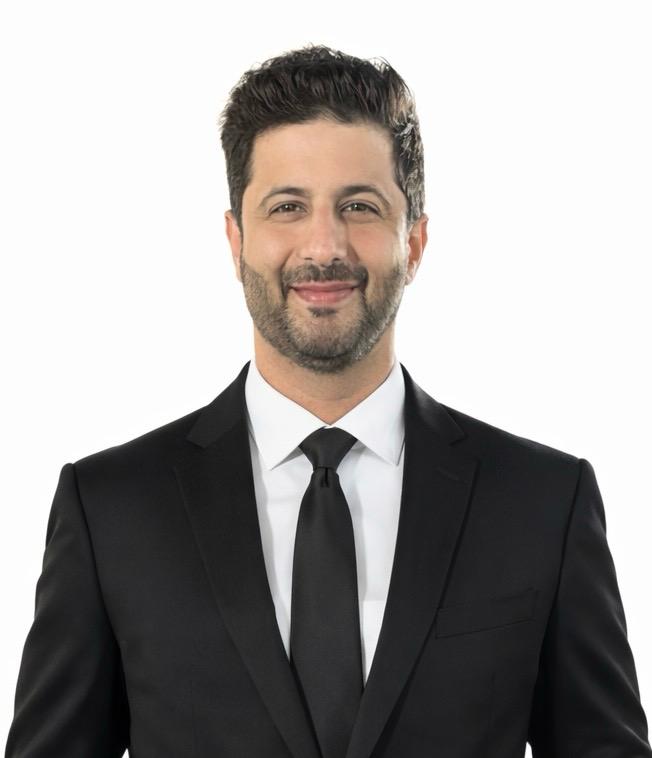
Written by: Rahul Mulchandani
Founder, Digital Marketing Strategist and
Author of "Digital Marketing For Lawyers" Book
Written by: Rahul Mulchandani
Founder, Digital Marketing Strategist and Author of "Digital Marketing For Lawyers" Book
Table of Contents
DUI lawyer PPC delivers immediate visibility for attorneys handling drunk driving cases when potential clients search urgent terms like “DUI lawyer near me” or “first offense DUI attorney.” Unlike SEO, which builds over months, pay-per-click advertising puts your firm at the top of Google results the moment you launch, capturing high-intent searches from people arrested or facing charges who need representation fast.
Analyze this DUI lawyer PPC for Lawyers content with AI tools:
ChatGPT Perplexity Grok Google AI ClaudeFor DUI practices, PPC stands out because arrests create immediate crises. Clients often search at night or weekends, outside normal business hours, making timely ad presence critical. Well-executed campaigns generate phone calls and form submissions that convert into consultations and retainers, often with cost-per-lead (CPL) ranging from $80–$250 depending on location and competition.
This guide covers everything a law firm owner or marketing manager needs: campaign structure, keyword strategy, compliance pitfalls unique to legal advertising, landing page requirements, bidding tactics, and measurement. Follow it to build campaigns that outperform generic legal PPC efforts and deliver measurable case volume. Many DUI law firms also partner with a law firm seo agency to strengthen organic visibility, reduce reliance on paid advertising, and generate a consistent flow of qualified DUI-related leads.
What Is DUI Lawyer PPC and Why It Matters
DUI lawyer PPC refers to paid search advertising, primarily through Google Ads, where firms bid on keywords related to driving under the influence defense. You pay only when someone clicks your ad. For criminal defense attorneys, this channel excels at addressing transactional intent—searchers ready to hire immediately after an arrest or DMV notification.
It matters specifically for DUI practices because volume spikes around weekends and holidays, and competition is fierce in urban areas. Generic criminal defense ads often waste budget on unrelated charges; dedicated DUI campaigns allow precise targeting of first-offense, repeat, felony, or commercial license cases.
Why law firms win with it: 41% of search clicks go to top paid ads. In competitive markets, organic rankings alone leave you invisible during peak arrest periods. PPC bridges that gap, letting solo or small firms compete with larger practices. Real benchmark: DUI CPC typically ranges $80–$160, with CPL often $100–$250 in mid-sized markets.
Keyword Research for DUI PPC Campaigns
Effective DUI lawyer PPC starts with layered keyword research using Google Keyword Planner’s “Refine Keywords” filter to isolate legal intent. Core terms include:
- Transactional: “DUI lawyer near me,” “DUI attorney [city],” “first offense DUI lawyer”
- Long-tail: “what to do after DUI arrest [state],” “DUI lawyer free consultation tonight”
- Modifier-specific: “second DUI lawyer,” “felony DUI defense attorney,” “CDL DUI lawyer”
Use Semrush or Ahrefs to analyze search volume, difficulty, and competitor ad copy. Semantic/LSI terms like “field sobriety test lawyer,” “breathalyzer refusal defense,” “DUI blood test challenge,” and “license suspension appeal” expand reach without diluting intent.
Gap-filling tactic: Create separate ad groups for first-time vs. repeat offenses. First-offense searchers often convert faster and at lower CPC. Track performance in Google Ads Search Terms report and add high-performing long-tails weekly. Avoid broad match without strong negatives—DUI traffic attracts tire-kickers and students researching school projects.
Google Ads Campaign Structure for DUI Lawyers
Build a focused account structure:
- Campaign Level: One Search campaign per major geography (e.g., metro area). Enable Location Targeting to ZIP codes or radius around courthouses/DMV offices. Use call-only ads for evening/weekend hours when arrests peak.
- Ad Groups: Theme by offense type (First Offense, Repeat DUI, Commercial, Felony) and service (License Reinstatement, DMV Hearings).
- Match Types: Phrase and Exact match for control; limited Broad with Smart Bidding in 2026 AI environments.
Include Local Services Ads (LSAs) alongside traditional PPC. LSAs appear above organic results, charge per lead (not click), and build trust with Google-verified badges—ideal for urgent DUI matters.
Get More Clients for Your Law Firm
Stop losing potential cases to competitors. Let’s build a strategy that brings you consistent, high-quality leads.
Ad Copy and Extensions That Convert
DUI ad copy must balance urgency with credibility while complying with bar rules. Effective headlines:
- “DUI Lawyer [City] – Free Consultation”
- “Arrested for DUI? Experienced Defense Attorney”
- “Fight Your DUI Charge – 25+ Years Experience”
Descriptions should address pain points: license suspension, jail time, ignition interlock, and job impact. Use extensions aggressively:
- Call extensions with tracking numbers
- Location extensions
- Sitelink extensions to specific pages (“First Offense DUI,” “Case Results”)
- Callout extensions: “24/7 Availability,” “Board Certified,” “DMV Hearings Handled”
Specific insight: Test call-only ads after 8 PM. Many DUI searches occur post-arrest when people can’t sleep. Ads directing to phone bypass website friction.
Landing Page Optimization for Maximum Conversions
Never send DUI clicks to your homepage. Dedicated landing pages must load under 2 seconds (Core Web Vitals compliance) and feature:
- Headline mirroring the ad keyword
- Clear value proposition: “Reduce Charges, Protect Your License”
- Trust signals: Bar association badges, years of experience, anonymized case outcomes (compliant with ethics rules)
- Prominent phone number and intake form above the fold
- FAQ section answering “How much does a DUI lawyer cost?” and “What happens at a DUI arraignment?”
Mobile-first design is non-negotiable—most searches happen on phones from police stations or tow yards. Use schema for LocalBusiness/LegalService and test forms with tools like Hotjar for drop-off points. Conversion rates for well-optimized legal landing pages typically hit 5–15% for high-intent traffic.
Bidding Strategies, Budgeting, and Negative Keywords
In 2026, use Google’s AI-driven Smart Bidding (Target CPA or Maximize Conversions) with conversion tracking properly set up. Start with manual CPC to establish baselines, then automate. Budget: Minimum $2,000–$5,000/month for meaningful data in most markets; scale based on CPL targets under $200.
Negative keywords are critical: Add “free,” “DIY,” “how to beat,” “online course,” “jobs,” and competitor names to avoid unqualified traffic. Review Search Terms report daily in the first weeks.
Realistic ROI: Aim for 3–5x return on ad spend. One signed retainer often covers months of ad costs.
Compliance and Ethical Considerations
Legal advertising faces strict state bar oversight. Avoid superlatives like “best DUI lawyer” unless verifiable. Substantiate experience claims. Include disclaimers where required and retain ad copies for the mandated period.
Google has its own policies: No misleading claims, proper disclosure of paid ads. For DUI, ensure landing pages match ad promises exactly to maintain Quality Score and avoid disapprovals. Have a compliance-trained attorney review all assets before launch.
Tracking, Analytics, and ROI Measurement
Implement Google Tag Manager for event tracking. Use CallRail or similar for accurate call attribution—Google’s native tracking often misses offline conversions. Set up goals for form submissions, calls >30 seconds, and actual consultations booked.
Key metrics:
- CTR: 5–10%+ for strong ads
- Conversion rate: 8%+ target
- CPL: Track to signed case, not just lead
- Quality Score: 7+ by improving ad relevance and landing page experience
Review weekly in Google Ads and connect to CRM for lifetime value analysis.
Common Mistakes and How to Fix Them
- Sending traffic to generic criminal defense pages → Fix: Build offense-specific landing pages.
- Ignoring mobile optimization → Fix: Test with Google’s Mobile-Friendly Tool and prioritize speed.
- Broad keyword targeting without negatives → Fix: Ruthless negative keyword lists and ad group segmentation.
- Poor conversion tracking → Fix: Third-party call tracking integrated with Google Ads.
- Neglecting LSA integration → Fix: Run both traditional PPC and LSAs for layered visibility.
Emerging Trends in 2026
AI bidding continues evolving—feed Google accurate first-party data for better performance. Video ads on YouTube targeting “DUI arrest what now” awareness campaigns feed into remarketing. Voice search optimization for “OK Google, find DUI lawyer near me” grows. Privacy changes make first-party data and CRM integration essential.
Next Steps: Audit your current Google Ads account or set up a new one focused on 5–10 high-intent keywords in your primary service area. Build one dedicated landing page, implement call tracking, and launch with a $1,000–$2,000 test budget over two weeks. Analyze Search Terms and adjust before scaling. This disciplined approach turns PPC from a cost center into a predictable case acquisition engine.
Frequently Asked Questions
What is the average cost per click for DUI lawyer PPC?
DUI lawyer PPC typically sees CPC between $80 and $160, with higher amounts in major metros like Los Angeles or New York. First-offense terms often cost less than repeat or felony variants. Factors influencing cost include competition, Quality Score (aim for 7+), and ad relevance. Use Google Keyword Planner’s historical data and set bid limits initially. In 2026, Smart Bidding with conversion data can lower effective costs by optimizing for actual leads rather than clicks. Track CPL aggressively—many successful campaigns achieve under $200 per qualified lead. Budget at least $2,500/month to gather statistically significant data.
How do I choose keywords for a DUI lawyer Google Ads campaign?
Focus on high-intent transactional phrases like “DUI lawyer near me,” “[city] DUI attorney,” and long-tails such as “first offense DUI lawyer free consultation.” Use Google Ads Keyword Planner with the Refine Keywords filter for legal intent. Incorporate semantic terms like “breathalyzer defense attorney” and “DUI license suspension help.” Segment ad groups by offense severity. Regularly mine the Search Terms report for new positives and add negatives like “jobs” or “school.” Tools like Semrush reveal competitor bids and volumes. Prioritize exact and phrase match in competitive markets to control spend and relevance.
What makes a good DUI lawyer landing page for PPC?
A strong page mirrors the ad headline, loads fast on mobile, and features a prominent phone number and form above the fold. Include specific trust signals: years of experience, bar certifications, and compliant case result summaries. Address immediate concerns—bail, DMV hearings, court dates—with clear CTAs. Use LocalBusiness schema and test with Google PageSpeed Insights. Remove navigation distractions to focus on conversion. Pages matching searcher intent (e.g., “second DUI lawyer”) convert significantly better than generic homepages. Aim for <3-second load times to protect Quality Score.
Are Local Services Ads better than traditional PPC for DUI lawyers?
LSAs often complement traditional PPC by appearing at the very top with pay-per-lead pricing and Google verification. They suit urgent DUI searches well due to built-in trust. However, availability varies by location and category, and they have stricter verification. Run both: Use LSAs for broad awareness and Search ads for precise keyword control and remarketing. Many firms report strong ROI from LSAs for criminal matters. Monitor lead quality closely as volume can include more unqualified inquiries.
How important is compliance in DUI lawyer PPC?
Extremely important. State bars prohibit unsubstantiated claims like “best DUI lawyer.” Google disapproves misleading ads. Review all copy and pages with a compliance officer. Retain records per bar rules. Match ad promises exactly on landing pages to avoid Quality Score penalties. Ethical advertising builds long-term trust and prevents disciplinary issues that could harm your practice.
What bidding strategy works best for DUI PPC?
Start with manual CPC to learn baselines, then switch to Target CPA or Maximize Conversion Value using Smart Bidding. Feed accurate conversion data, including calls via third-party trackers. In 2026, AI performs best with 15–30+ conversions weekly. Adjust targets based on case value—higher for felony or commercial DUIs. Use ad scheduling for peak arrest times.
How do I track ROI from DUI lawyer PPC?
Implement CallRail or similar for phone tracking, Google Tag Manager for forms, and connect to your CRM. Measure not just leads but signed retainers and case value. Calculate return as (Lifetime Value of Clients × Number Acquired) minus ad spend. Target 3–5x ROAS minimum. Review weekly reports focusing on assisted conversions and search term quality.
Should I use broad match for DUI keywords?
Use cautiously with robust negative keyword lists. Phrase and exact match provide better control in legal verticals. Broad match with Smart Bidding can discover volume but risks irrelevant traffic like informational queries. Monitor Search Terms report daily initially and refine aggressively.
What negative keywords are essential for DUI campaigns?
Include “free,” “DIY,” “online,” “how to,” “jobs,” “school,” “insurance quote,” and competitor firm names. Also block generic criminal terms if your focus is strictly DUI to avoid wasting budget on unrelated charges.
Can solo DUI lawyers succeed with PPC?
Yes, with focused budgets, dedicated landing pages, and strong intake processes. Target specific cities or niches like CDL holders. LSAs help level the playing field. Many solos generate 5–15 qualified leads monthly with disciplined management.
How does remarketing work for DUI lawyer PPC?
Remarketing shows ads to previous site visitors on Google Display and YouTube. Create lists for page visitors (e.g., those who viewed “DUI process” but didn’t call). Use tailored messaging like “Still Need DUI Help? Call Now.” It boosts conversions cost-effectively.
What are 2026 trends affecting DUI lawyer PPC?
AI bidding dominance, increased privacy focus requiring first-party data, growth in video/YouTube integration, and tighter Google compliance. Voice search optimization and multi-channel attribution (combining with SEO) become standard for sustained results.
🚀 Get Free Consultation
Our Latest Posts
-
 How We Generate Signed Cases for Lawyers: 7 Proven Strategies That Deliver Real Results
 -
 Case Study: Multi-City Personal Injury SEO Success – New Mexico
 -
 Case Study: Personal Injury Lawyer in Texas
 -
 Lawyer SEO: The Complete Guide to Optimizing Law Firm Websites for Clients and Rankings
 -
 Why Lawyer Switch to Us
Updated on
Get In Touch with Us!
other way to contact us
Office Email
rahul@webkeydigital.com
Office Phone
+1 503-303-8639
Office Location
8 The Green STE A, Dover, Kent , Delaware 19901