
Bankruptcy Lead Generation
The Ultimate Guide 2026

Written by: Rahul Mulchandani
Founder, Digital Marketing Strategist and
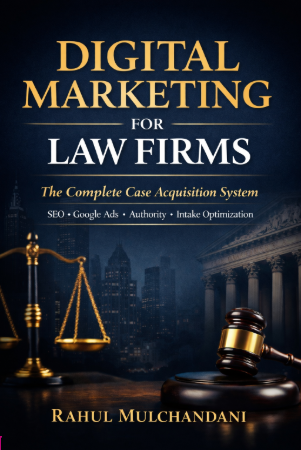
Author of "Digital Marketing For Lawyers" Book
Written by: Rahul Mulchandani
Founder, Digital Marketing Strategist and Author of "Digital Marketing For Lawyers" Book
Table of Contents
Bankruptcy lead generation involves systematically attracting and converting individuals or businesses actively seeking debt relief under Chapter 7, Chapter 13, or related filings. For law firms, it requires blending high-intent search capture with strict ethical compliance and rapid intake processes that turn desperate inquiries into retained cases.
Analyze this Bankruptcy lead generation for Lawyers content with AI tools:
ChatGPT Perplexity Grok Google AI ClaudeUnlike general consumer services, bankruptcy prospects often search under acute financial stress—facing foreclosure, wage garnishment, or creditor harassment. They need immediate, trustworthy help rather than generic information. Effective strategies position your firm at the exact moment they decide to act, while demonstrating E-E-A-T through transparent expertise, client results (within ethical bounds), and clear debt relief agency disclosures.
This guide delivers the complete playbook: keyword realities, campaign structures that control costs, content that builds authority without violating rules, Local Services Ads optimization, intake systems that prevent lead leakage, and measurement frameworks tailored to bankruptcy economics. Firms executing these tactics consistently see qualified leads at sustainable costs while scaling caseloads ethically.
Understanding Bankruptcy Lead Generation for Law Firms
Bankruptcy lead generation encompasses all activities that identify, attract, and nurture potential clients needing Chapter 7 liquidation, Chapter 13 reorganization, or related debt relief services. Leads typically originate from organic search, paid ads, Local Services Ads (LSAs), referrals, or third-party networks. Many bankruptcy firms partner with a law firm seo agency to increase qualified lead volume, improve search visibility, and build a more predictable client acquisition system.
In practice, high-quality bankruptcy leads include verified debt levels, filing urgency (e.g., imminent foreclosure), and confirmation that no prior attorney has been retained. Third-party providers often pre-qualify these details, but in-house generation through owned channels gives firms greater control over cost per acquisition and client fit.
For law firms, this differs from generic lead gen because prospects exhibit strong transactional intent mixed with emotional vulnerability. Successful generation requires demonstrating immediate competence while complying with federal debt relief agency requirements under 11 U.S.C. § 528.
Key channels in order of typical speed-to-lead:
- Paid search and LSAs (immediate)
- Local SEO and GBP (days to weeks)
- Organic content and topical authority (months)
- Referral networks and partnerships (ongoing)
Firms ignoring multi-channel approaches leave money on the table, especially with U.S. bankruptcy filings rising—reaching over 565,000 in 2025.
Why Bankruptcy Lead Generation Differs from Other Practice Areas
Bankruptcy clients differ markedly from personal injury or family law prospects. Searches spike during economic downturns, with prospects often exhausted from collection calls and seeking “stop creditor harassment” solutions. Intent mixes urgency with price sensitivity, as many face limited resources.
Chapter 7 vs. Chapter 13 dynamics:
- Chapter 7 prospects: Often lower asset, higher urgency; keywords like “file Chapter 7 bankruptcy near me” convert faster but may have lower average case value.
- Chapter 13 prospects: Wage earners with repayment plans; longer sales cycles but potentially higher lifetime value due to ongoing representation.
Competition is fierce in metro areas, with CPCs for core terms ranging $30–$85+ depending on location and competition, though optimized campaigns achieve lower effective costs through quality score and negative keywords.
Ethical constraints are stricter: no outcome guarantees, mandatory debt relief disclosures, and restrictions on “expert” claims unless certified. Generic agencies frequently violate these, risking bar complaints.
A realistic scenario: A solo practitioner in a mid-sized city with $4,000 monthly ad spend captured 45 qualified leads in Q1 2026 by separating Chapter 7 and Chapter 13 campaigns and using geo-fencing around courthouses and credit counseling agencies.
Keyword Research and Search Intent for Bankruptcy
Effective bankruptcy lead generation starts with intent mapping. Primary commercial transactional keywords include “bankruptcy lawyer near me,” “Chapter 7 bankruptcy attorney [city],” “stop wage garnishment,” and “file Chapter 13 [location].”
Use Google Keyword Planner’s “Refine Keywords” filter to prioritize legal intent terms while excluding informational broad matches like “what is bankruptcy.” Long-tail variations such as “how much does Chapter 7 cost in [state]” or “bankruptcy after foreclosure” often deliver higher conversion rates at lower CPCs.
Semantic and LSI terms: debt relief, creditor harassment, means test, bankruptcy exemptions, fresh start, automatic stay.
Tool-specific insight: In Semrush or Ahrefs, analyze the “Questions” report for People Also Ask data and create content clusters around them. Track “bankruptcy attorney” SERP features—featured snippets and local pack dominate.
Common mistake: Bidding solely on broad terms without negative keyword lists (e.g., -free, -DIY, -forms). This drains budgets on tire-kickers. Instead, build exhaustive negatives from search term reports weekly.
Get More Clients for Your Law Firm
Stop losing potential cases to competitors. Let’s build a strategy that brings you consistent, high-quality leads.
SEO Strategies for Bankruptcy Lead Generation
SEO builds sustainable, lower-cost leads over time. Focus on topical authority around debt relief while maintaining compliance.
Core tactics:
- Create location-specific pages for “Chapter 7 Bankruptcy [City]” with unique content covering local exemptions, court procedures, and filing fees.
- Build content clusters: Pillar pages on “Bankruptcy Options Explained” linking to detailed guides on means testing, exemptions, and post-filing credit rebuilding.
- Technical priorities: Schema markup for LegalService, fast mobile load times (Core Web Vitals), and NAP consistency across citations.
Gap-filling practice: Implement FAQ schema on every service page. One firm saw a 40% increase in local pack impressions by optimizing for “how long does Chapter 13 take” queries with attorney-reviewed answers.
Local link building via financial advisor partnerships and credit counseling agencies provides authoritative signals. Avoid directories that risk spam flags; prioritize relevant bar association and court-related listings.
Emerging trend: AI Overviews (GEO) favor comprehensive, well-structured content with clear E-E-A-T signals like attorney bios with bar numbers and years of experience.
PPC and Paid Advertising Tactics That Deliver ROI
PPC remains the fastest channel for bankruptcy lead generation. Structure campaigns by chapter and urgency.
Recommended Google Ads structure:
- Separate campaigns for Chapter 7, Chapter 13, and emergency (garnishment/foreclosure).
- Use phrase and exact match primarily; broad match with Smart Bidding only after building negative lists.
- Bidding: Maximize Conversions or Target CPA, with manual adjustments for high-intent terms. Quality Score above 7/10 is essential for cost control—achieved via tight ad groups, relevant landing pages, and extensions.
Ad copy principles: Lead with empathy and clarity (“Stop Creditor Calls Today”), include location, strong CTAs (“Free Consultation”), and mandatory disclosures. Use call extensions and location extensions heavily.
Landing page alignment: Dedicated pages matching the keyword (e.g., Chapter 7-specific) with prominent phone numbers, intake forms, trust signals (bar badges, testimonials with disclaimers), and clear next-step CTAs. Test forms asking for debt range early to qualify.
Budget reality: Expect $3,000–$10,000+ monthly per market depending on competition. Track cost per qualified lead—aim for under $150–$250 for viable cases.
Local Services Ads (LSAs) offer premium placement above organic results. Require Google Verification, matching GBP, and active review management. One 2026 update consolidated badges into a single “Google Verified” indicator.
Common mistake: Sending all traffic to the homepage. This kills conversion rates and Quality Scores.
Local SEO and Google Business Profile Optimization
Most bankruptcy searches are local. Optimize GBP as the foundation.
Essential optimizations:
- Primary category: “Bankruptcy Lawyer” or “Attorney.”
- Complete all services, attributes, and posts (weekly updates on debt relief topics).
- Photo strategy: Office, team, courthouse proximity, infographics (with disclaimers).
- Q&A section: Proactively answer common questions with attorney input.
Review acquisition: Ethical, post-case automated requests. Respond to every review. Aim for 20–30+ reviews for LSA competitiveness.
Multi-location considerations: Unique pages per office with embedded maps and distinct content. Citation building via consistent NAP on major platforms (BrightLocal or Whitespark for management).
Content Marketing and Trust-Building for Bankruptcy Clients
Content educates without promising outcomes. Topics: “Understanding the Means Test,” “Life After Bankruptcy,” “Dealing with IRS Debt in Bankruptcy.”
Publish attorney-authored guides reviewed for compliance. Repurpose into videos, infographics, and social snippets. Guest posting on financial blogs builds links ethically.
Trust signals specific to bankruptcy: Clear “We are a debt relief agency” language, years of experience, case studies (anonymized), client testimonials with results framed appropriately, and partnerships with credit counselors.
Compliance, Ethics, and Risk Management
Bankruptcy advertising faces heightened scrutiny. Every ad, page, and post must include debt relief agency disclosures. Avoid guarantees, “stop all collections” absolutes, or unsubstantiated claims.
State bar rules vary—some prohibit certain testimonials or require disclaimer prominence. Have all marketing materials reviewed by a practicing attorney familiar with 11 U.S.C. § 528 and ABA Model Rules 7.1–7.3.
Practical process: Create a compliance checklist for every campaign launch and quarterly audit. Use tools like Google Ads policy checker and maintain an approval log.
Lead Qualification, Intake, and Conversion Optimization
Many firms lose 30–50% of leads at intake. Implement 24/7 AI receptionists or call tracking with immediate qualification scripts asking about debt amount, urgency, and prior filings.
Optimization steps:
- Form fields capturing minimum qualifying data.
- Automated SMS/email follow-up sequences within 5 minutes.
- Dedicated bankruptcy intake paralegal or attorney callback policy.
- Retargeting for abandoned forms.
Conversion rate benchmarks: Optimized legal landing pages achieve 5–12% for bankruptcy; top performers exceed 15% with strong trust elements.
Measuring Performance and Scaling Profitably
Track these metrics weekly:
- Cost per qualified lead (CPL)
- Cost per signed case
- Lead-to-consultation rate
- Consultation-to-retainer rate
- Lifetime case value vs. acquisition cost
Use Google Analytics 4 with enhanced e-commerce for form submissions, call tracking (CallRail or WhatConverts), and CRM integration (Clio or Lawmatics) for closed-loop reporting.
Scaling: Once CPL stabilizes below target, layer in content for organic supplementation. Diversify with referral partnerships. Test new markets using similar keyword + location research.
Next Steps: Audit your current Google Ads and GBP today. Pull search term reports and add the top 50 negatives. Create one Chapter-specific landing page this week. Schedule a compliance review of all active campaigns. Measure baseline metrics now so you can quantify improvements in 30 days. Consistent execution across these areas will reliably grow your bankruptcy caseload without compromising ethics or profitability.
Frequently Asked Questions
What is the most effective bankruptcy lead generation strategy in 2026?
The most effective approach combines geo-targeted PPC and LSAs for immediate volume with SEO for sustainable lower-cost leads. Prioritize Local Services Ads for top-of-page visibility after Google Verification, then layer exact-match Google Ads campaigns separated by Chapter 7 and Chapter 13. Support with optimized GBP and content clusters targeting high-intent queries. Firms using this hybrid model report the best ROI because paid channels capture urgency while organic builds trust and reduces long-term CPL. Track everything in a CRM to identify which channel delivers the highest retainer rates for your specific market and adjust budgets weekly.
How much should a bankruptcy law firm spend on lead generation?
Budget allocation depends on market competition and growth goals, but a typical solo or small firm starts at $3,000–$8,000 monthly across paid channels. In competitive metros, expect higher CPCs ($30–$85 range for core terms), so focus on Quality Score optimization and LSAs to control costs. Aim for cost per signed case that leaves healthy margins given average bankruptcy matter value. Diversify: 50–60% paid for now, 30% SEO/content, 10% referrals. Review spend monthly against closed cases and scale channels exceeding your target CPL of $150–$300.
What are the best keywords for bankruptcy lawyer PPC campaigns?
Focus on high-intent terms like “[city] Chapter 7 bankruptcy lawyer,” “file Chapter 13 near me,” “stop wage garnishment attorney,” and long-tails such as “Chapter 7 bankruptcy cost [state].” Use phrase and exact match. Negative keywords are critical: exclude “free,” “DIY,” “forms,” and informational variants. In Google Keyword Planner, refine for legal services and monitor search term reports to add negatives aggressively. Create tight ad groups around specific chapters or pain points for better Quality Scores and lower CPCs.
How do you comply with advertising rules in bankruptcy marketing?
Include the mandatory “We are a debt relief agency. We help people file for bankruptcy relief under the Bankruptcy Code” disclosure on every ad and landing page. Avoid any guarantees of debt discharge or specific outcomes. Do not use “expert” or “specialist” unless certified per state rules. Have all copy, landing pages, and content reviewed by an attorney familiar with 11 U.S.C. § 528 and state bar ethics opinions. Maintain records of approvals and monitor Google policy updates. This protects your license while still allowing effective marketing.
Should bankruptcy lawyers buy third-party leads?
Buying leads can supplement owned channels, especially for new practices or market expansion. Quality varies—look for providers offering exclusive or semi-exclusive leads with debt verification and no prior attorney retention. Compare cost per lead ($50–$300 typical) against your in-house CPL. Use them to fill capacity but prioritize owned channels for better client control and lower long-term costs. Always verify compliance of the lead source with ethical rules.
How important is Google Business Profile for bankruptcy lead generation?
Extremely important. Most searches include “near me” or local modifiers, making GBP the gateway to local pack and LSA eligibility. Complete every section, post weekly, respond to reviews, and add high-quality photos. Firms with strong GBP profiles see significantly higher click-through rates from both organic and paid. It directly impacts LSA ranking, which often delivers the highest-converting calls.
What conversion rate should bankruptcy landing pages achieve?
Optimized bankruptcy landing pages typically achieve 5–12% form submission or call rates, with top performers reaching 15%+. Factors include mobile-first design, prominent phone numbers with click-to-call, minimal form fields initially, strong trust signals, and fast load times. A/B test headlines, CTAs, and form length. Use heatmapping tools to identify drop-off points and refine.
How do Chapter 7 and Chapter 13 leads differ in marketing?
Chapter 7 leads often show higher urgency and price sensitivity, responding well to “quick relief” messaging (with proper disclaimers). Chapter 13 leads may require more education on repayment plans and have longer consideration periods. Separate campaigns, landing pages, and follow-up sequences. Chapter 13 content can emphasize keeping assets, which resonates differently. Track performance separately to allocate budget effectively.
What tools are essential for tracking bankruptcy lead generation ROI?
Google Analytics 4 with conversion tracking, Google Ads conversion import, call tracking software (e.g., CallRail), and a legal CRM like Clio or Lawmatics for closed-loop attribution. Semrush or Ahrefs for SEO/keyword monitoring. Set up enhanced conversions and offline conversion tracking to connect leads to signed retainers. Review cost per acquisition and lifetime value monthly.
How long does it take to see results from bankruptcy SEO?
Initial traction in local pack and long-tail rankings can appear in 4–8 weeks with on-page and GBP optimization. Substantial organic traffic and leads typically require 6–12 months of consistent content and link-building. Paid channels deliver leads immediately, making them ideal for bridging the gap while SEO compounds. Combine both for fastest growth.
Can social media generate quality bankruptcy leads?
Yes, primarily through targeted Facebook/Instagram ads to audiences with interest in finance, debt, or specific demographics experiencing financial stress. Use lead forms for quick capture. Organic social works for education and trust-building via client stories (compliant) and tips. It supplements search but rarely replaces it for high-intent transactional leads.
What is the biggest mistake law firms make in bankruptcy lead generation?
Sending paid traffic to generic homepages or failing to qualify leads quickly. This wastes ad spend and loses high-intent prospects to faster competitors. Other errors include non-compliant ad copy, ignoring negative keywords, and poor intake processes. Always use dedicated, chapter-specific landing pages with fast response systems and strict compliance.
🚀 Get Free Consultation
Our Latest Posts
-
 How We Generate Signed Cases for Lawyers: 7 Proven Strategies That Deliver Real Results
 -
 Case Study: Multi-City Personal Injury SEO Success – New Mexico
 -
 Case Study: Personal Injury Lawyer in Texas
 -
 Lawyer SEO: The Complete Guide to Optimizing Law Firm Websites for Clients and Rankings
 -
 Why Lawyer Switch to Us
Updated on
Get In Touch with Us!
other way to contact us
Office Email
rahul@webkeydigital.com
Office Phone
+1 503-303-8639
Office Location
8 The Green STE A, Dover, Kent , Delaware 19901